
Featured
Featured
Varonis Accelerates the Secure Adoption of Microsoft Copilot for Microsoft 365

Mar 28, 2024

Featured
Varonis Products
What’s new in Varonis: Feb 2024 | Varonis

Feb 26, 2024

Featured

What's New in Varonis: March 2024
March 28, 2024
Varonis unveiled updates designed to help you detect and investigate threats, improve your Salesforce and Azure security posture, and streamline your data discovery requests.
Featured

What is Managed Data Detection and Response (MDDR)?

March 27, 2024
XDR and MDR offerings are threat-focused and leave you data-blind. Varonis MDDR helps mitigate complex threats to your most valuable asset: data.
Featured
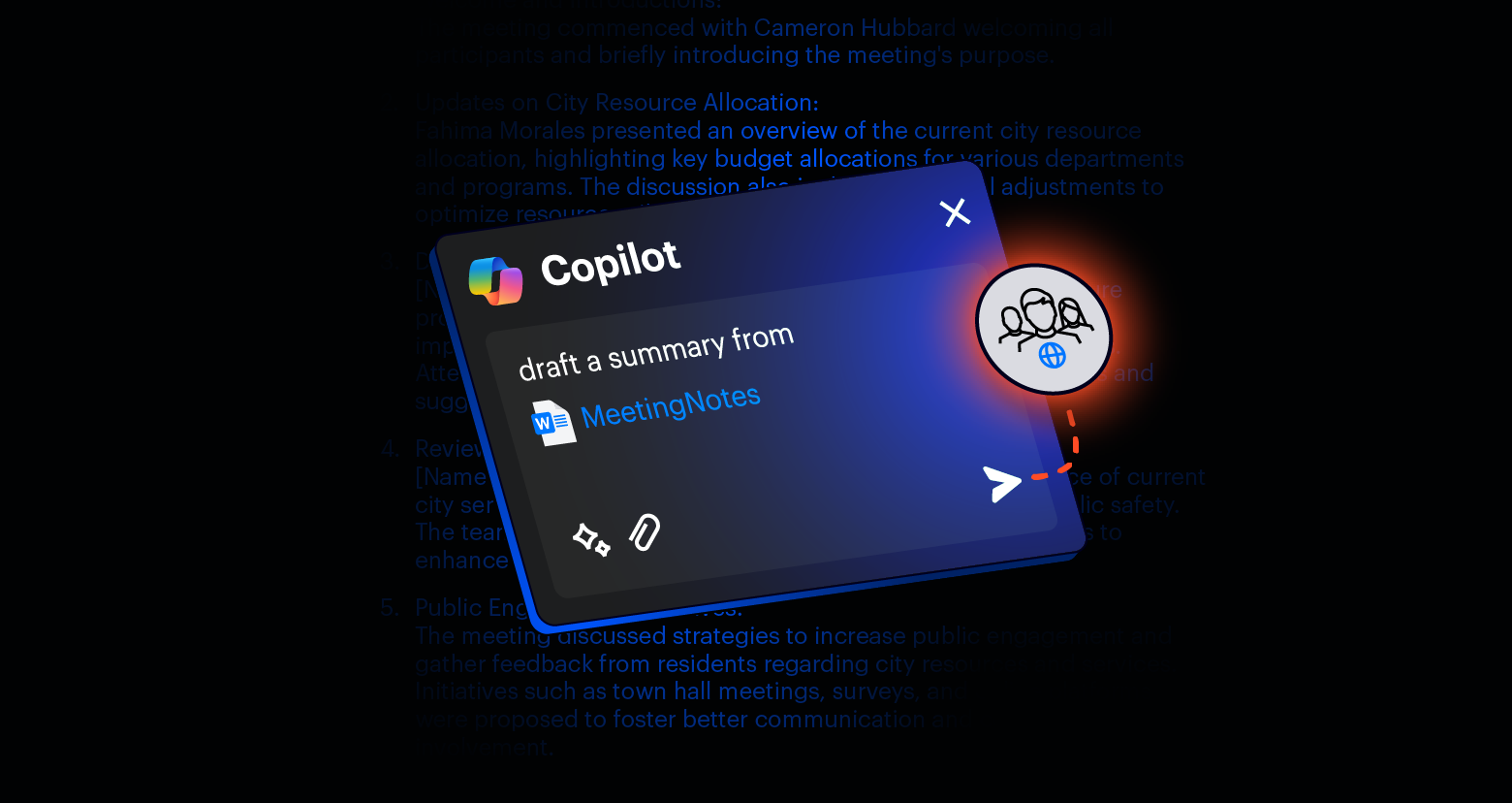
Copilot Security: Ensuring a Secure Microsoft Copilot Rollout
August 8, 2023
This article describes how Microsoft 365 Copilot's security model works and the risks that must be considered to ensure a safe rollout.
Featured collections
[BlogPost 164156666371 Speed Data: Security Leaders, Salesforce, and Social Consciousness With Doug Merrett, BlogPost 164609277353 Is Microsoft Copilot Worth the Investment? | Varonis, BlogPost 164518401337 Stop Configuration Drift With Varonis, BlogPost 164297679728 Palo Alto Networks PAN-OS Zero-Day Active Exploit: What You Need to Know]





[BlogPost 164156666371 Speed Data: Security Leaders, Salesforce, and Social Consciousness With Doug Merrett, BlogPost 163465833884 Speed Data: Combating the Cybersecurity Skills Shortage With Bryan Chnowski, BlogPost 162872172206 Know Before You Go: Your Guide to RSAC 2024, BlogPost 162004714518 Speed Data: The Benefits of Simplicity With Mark Bruns]




[BlogPost 164297679728 Palo Alto Networks PAN-OS Zero-Day Active Exploit: What You Need to Know, BlogPost 164221520506 Sisense Data Breach: What You Need to Know, BlogPost 162184051010 Sidestepping SharePoint Security: Two New Techniques to Evade Exfiltration Detection | Varonis, BlogPost 162974434452 XZ Backdoor: Supply Chain Jump Scare]



[BlogPost 161660365894 Introducing Varonis for Microsoft 365 Copilot, BlogPost 162320569947 What's New in Varonis: March 2024, BlogPost 155675001415 Varonis MDDR: Industry's First Managed Data Detection and Response Offering, BlogPost 158156129169 What’s new in Varonis: Feb 2024 | Varonis]

[BlogPost 159799224689 Understanding and Applying the Shared Responsibility Model at Your Organization, BlogPost 142153179793 DSPM vs. CSPM Solutions: Bridging Data and Cloud Security With Varonis, BlogPost 128452112902 How to Protect Your Cloud Environment From Today’s Top 5 Threats, BlogPost 127687860096 Is Your Data Insider-Proof? Five Steps To Keep Your Secrets Safe]




-1.png)


[BlogPost 120220635715 Speed Data: The Commoditization of Cybercrime With Matt Radolec, BlogPost 93676956944 Four Must-Know Cyber Tips for Your Business, BlogPost 77387154343 Ryuk Ransomware: Breakdown and Prevention Tips, BlogPost 73713855494 Why Every Cybersecurity Leader Should ‘Assume Breach’]





Explore our resources.
 Report
The Great SaaS Data Exposure
Case Study
How Varonis Helped a US Casino and Hotel Stop a Cyberattack within 30 Minutes
Whitepaper
Fighting a Different Battle: Varonis' Unique Approach to Cybersecurity
Case Study
How Varonis Helps a One-Person Security Team Save Over 400 Hours Annually
Datasheet
Why Varonis SaaS?
[BlogPost 85868553137 Azure Managed Identities: Complete Guide with Free Demonstration, BlogPost 76376908465 Group Policy Objects (GPOs): How They Work & Configuration Steps, BlogPost 69863558546 12 Group Policy Best Practices: Settings and Tips for Admins, BlogPost 58421196157 Securing Azure Blob Storage: Set-Up Guide | Varonis]






[BlogPost 151870244133 Speed Data: The Principles of GRC With Hannah DeWane, BlogPost 137123971479 Cybersecurity Maturation Model Certification 2.0: How Varonis Ensures Certification for Defense Contractors, BlogPost 116633534746 Meta's $1.3B Fine: What can Happen if you Don’t Monitor Your PII, BlogPost 53575335851 HIPAA Compliance: Your Complete 2023 Checklist]






Try Varonis free.
Get a detailed data risk report based on your company’s data.
Deploys in minutes.
Deploys in minutes.